
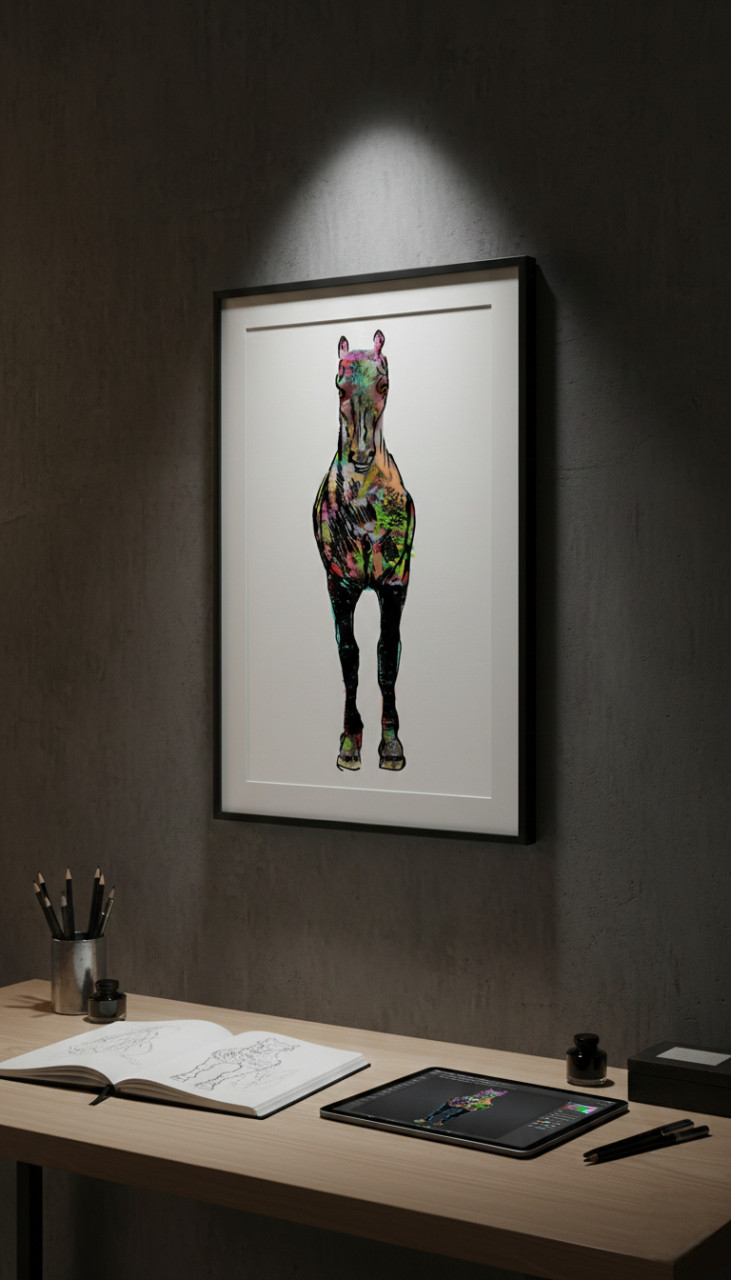
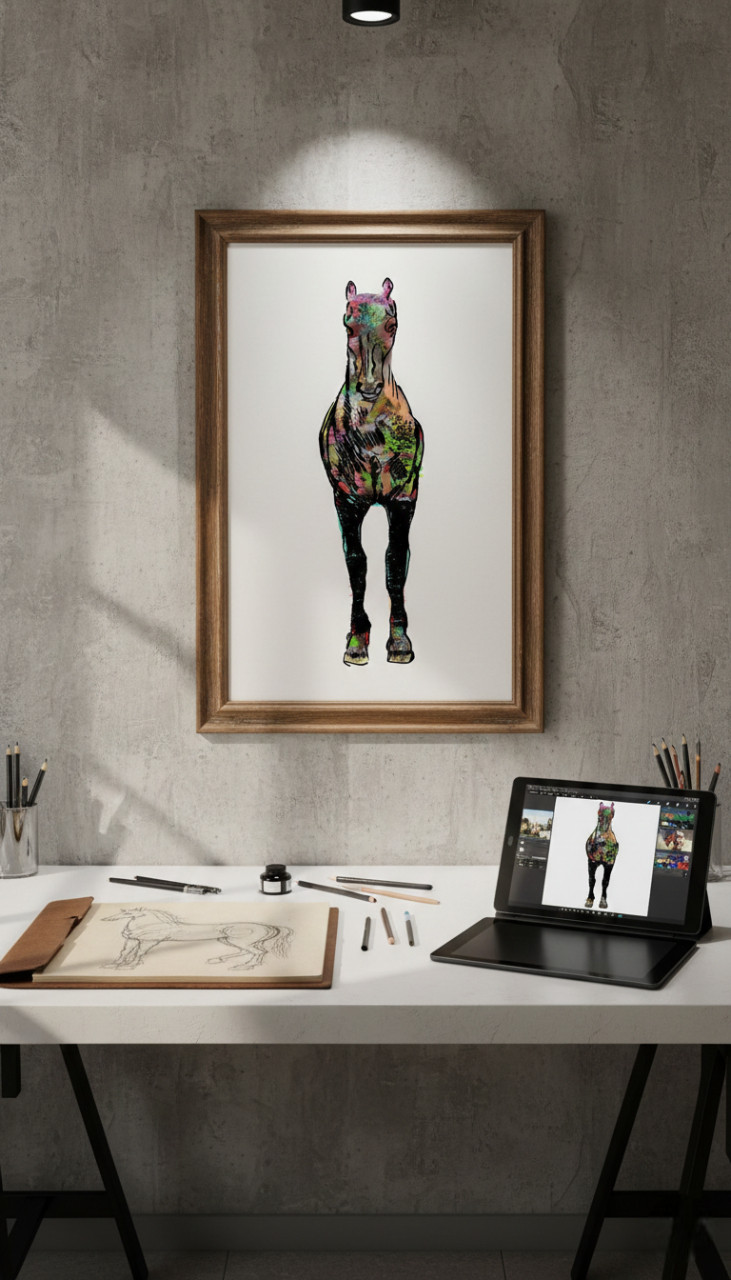
Project Concept: “This project is a comprehensive four-stage study of Leonardo da Vinci’s anatomical horse drawing. The objective is to bridge the gap between Renaissance fine art and digital imaging, evolving a classic masterpiece through a modern technical lens.”
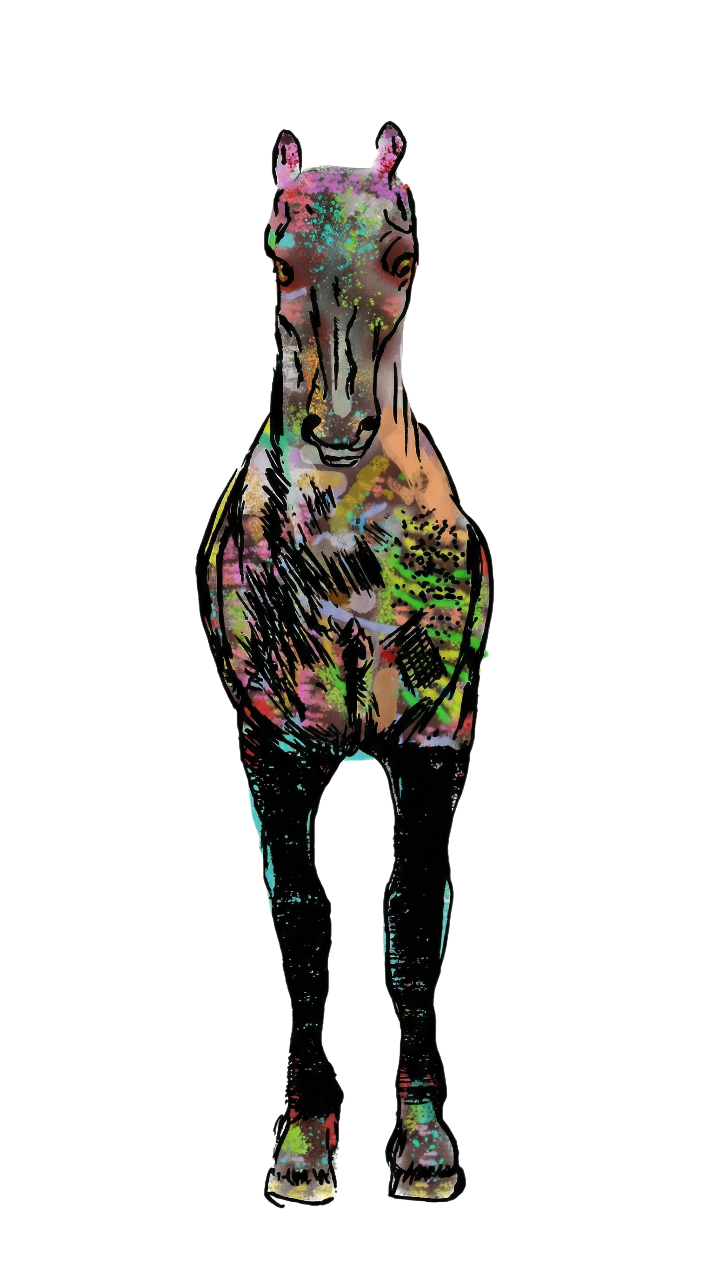
Final Version
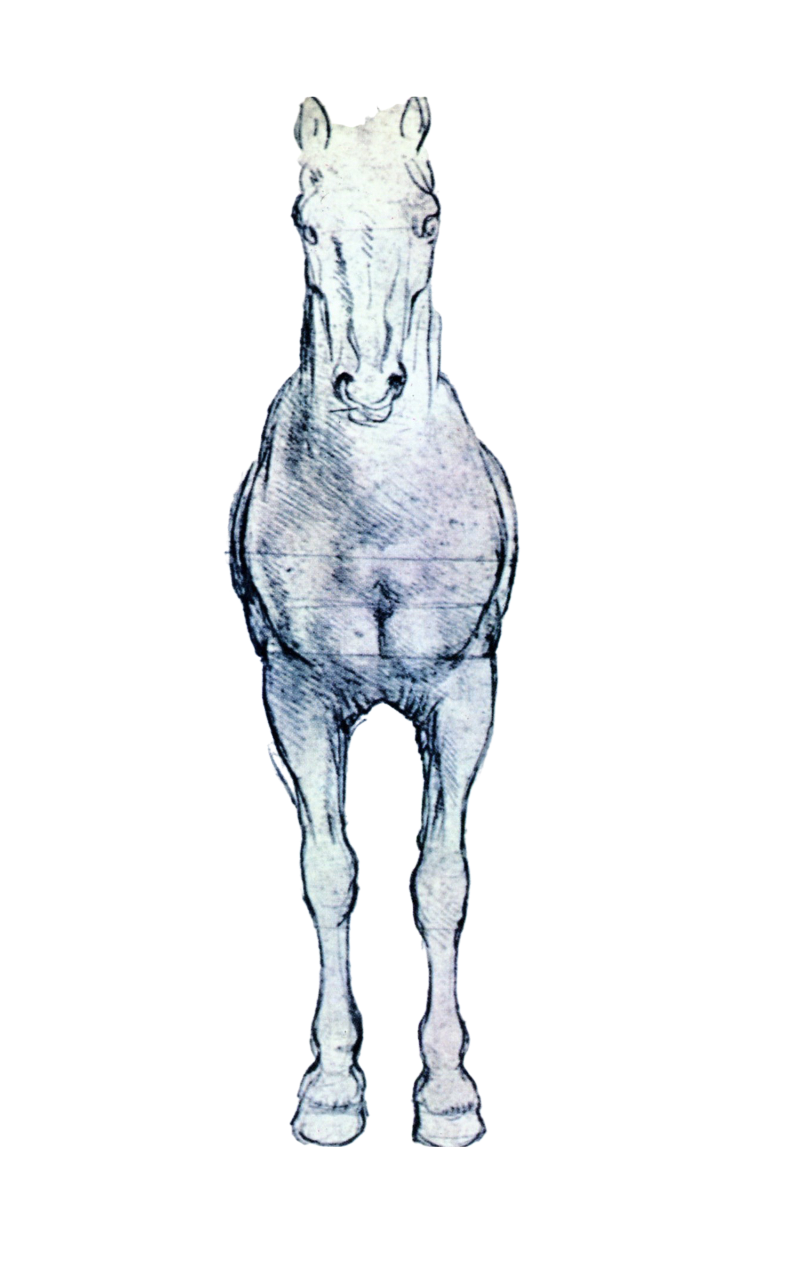
Original By Davinci
The Four-Phase Creative Process:
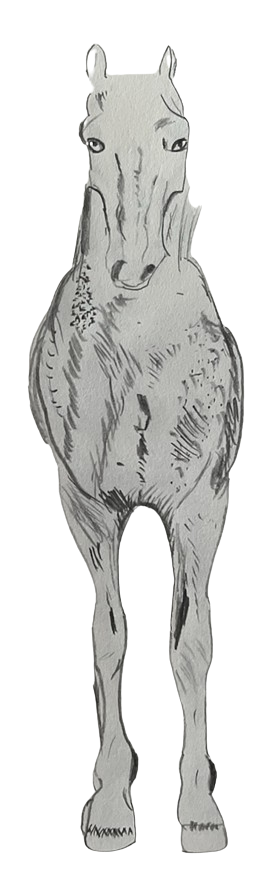
Phase 1: Structural Graphite Sketch (Analog Foundation)
The journey begins with traditional graphite on paper. This phase focuses on anatomical accuracy, capturing the skeletal structure, muscle tension, and proportions to honor the original essence of the study.
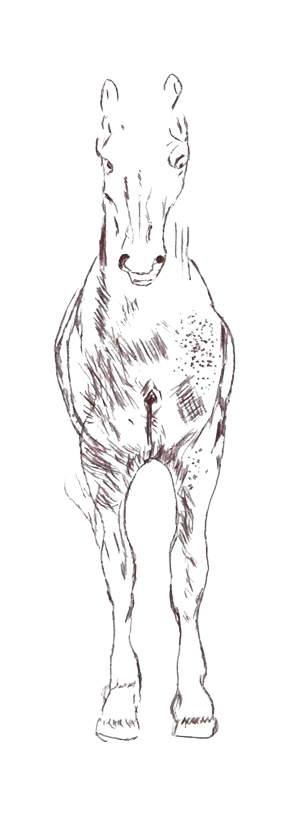
Phase 2: Ink Definition & Contouring (Manual Depth)
In this stage, the transition to ink (pen) defines the final contours. This manual process is critical for establishing high-contrast line work and intricate details that serve as the primary structure for the digital transition.
Phase 3: Digital Extraction & Refinement (Photoshop Architecture) The analog art is brought into Adobe Photoshop. Using a combination of the Pen Tool and Advanced Lasso techniques, the ink work is meticulously isolated from the paper texture. This phase focuses on cleaning the line art and preparing it for a non-destructive digital environment
Drafts:

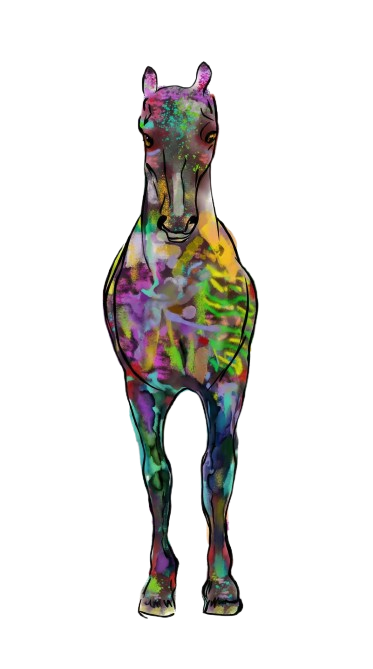
Phase 4: Modern Digital Painting & Grading (The Final Evolution) Instead of a standard reproduction, a bold, contemporary color palette is applied. Using Custom Brushes and Smudge tools, classic shading styles are replicated with modern tones. Through Layer Masks, Blending Modes, and Adjustment Layers, a striking contrast is created between the traditional subject and a professional digital aesthetic.
Technical Deep-Dive & Methodology: Reimagining Da Vinci’s Horse
Project Philosophy: “This project is a strategic study bridging the gap between Renaissance fine art and modern digital imaging. Beyond aesthetics, it was a journey of solving complex visual problems and mastering a professional workflow—proving that even the most overwhelming artistic challenges become manageable through patience and a step-by-step methodology.”
1. Research & Strategic Ideation (45 Minutes)
-
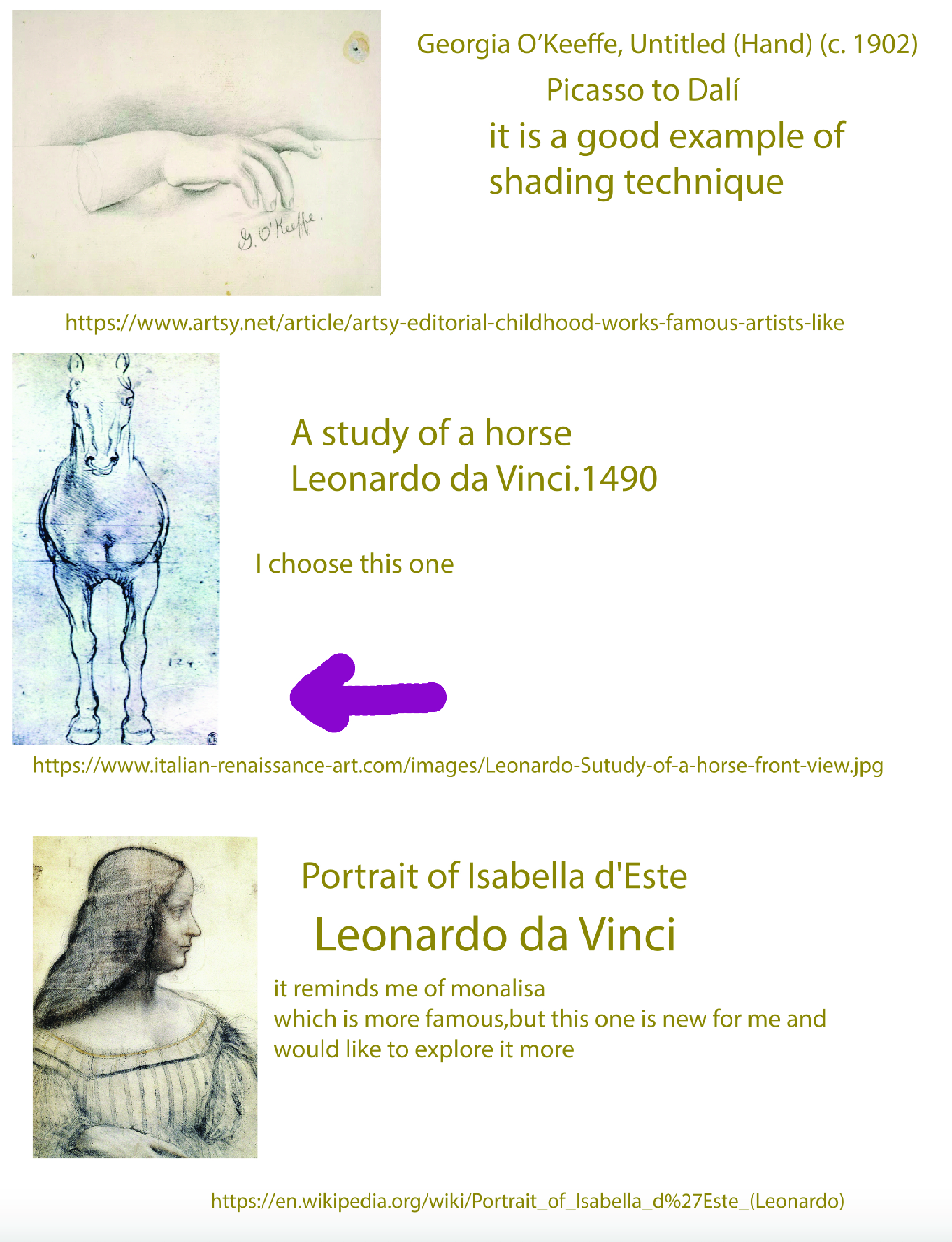
Inspiration: An in-depth analysis of masters like Salvador Dalí and Leonardo da Vinci. Da Vinci’s Horse (1490) was chosen specifically for its anatomical complexity to serve as a high-level technical challenge.
-
Thumbnail Development:
-
Thumbnail 1 (20 min): Initial 5×8” layout focusing on basic spatial balance and name placement (“Ali Bakhit”).
-
Thumbnail 2 (25 min): Refined visual hierarchy, optimizing the relationship between typography and the central subject.
-
-
Rough Layout Planning (45 min): A rigorous two-step visualization process (15 min initial / 30 min final) to ensure structural integrity before final execution.
2. Technical Warm-Up & Analog Mastery
-
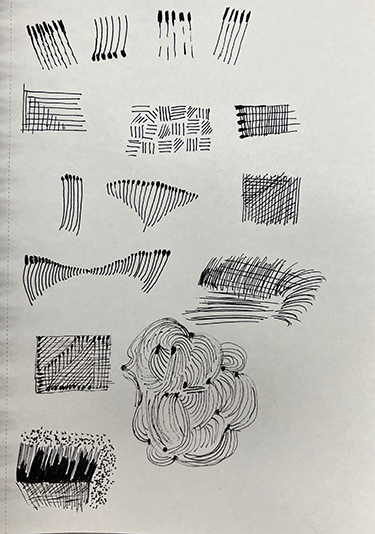
Artistic Preparation (55 min): A critical warm-up session to master pressure control and stroke consistency using Hatching, Cross-Hatching, Stippling, and Free Form Scribbles.
-
Problem Solving (Manual Phase): During the initial 30-minute sketching phase, the eye anatomy presented a significant challenge. Through careful analysis and redrawing, the eyes were corrected to achieve professional-grade anatomical accuracy.
-
Ink Refinement (1 hour): Utilizing dual-tone ink and traditional textures to enhance structural depth, preparing the artwork for high-contrast digital scanning.
3. Digital Architecture & Professional Problem Solving (Photoshop)
-
Technical Problem Solving (Cleanup): A meticulous post-scan phase dedicated to removing artifacts and “green borders” that were distracting from the design. This ensured a pristine digital canvas and seamless integration with textual elements.
-
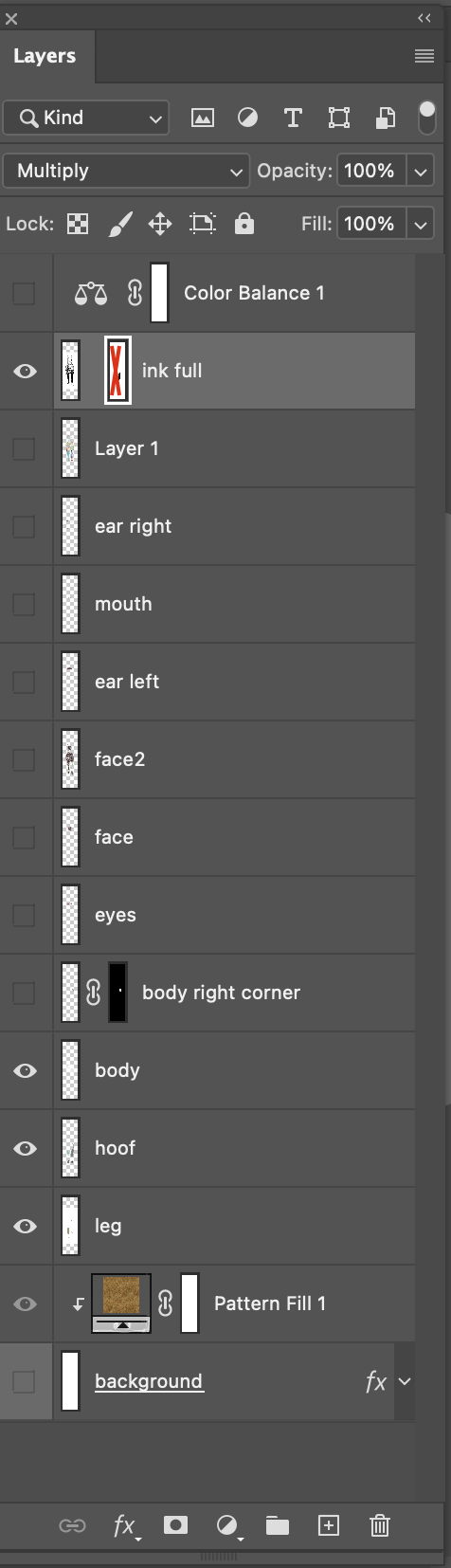
Industry-Standard Layer Logic: The PSD was structured into a professional, component-based architecture for maximum flexibility:
-
Foundation: Scanned Ink Drawing as a base reference.
-
Categorized Layers: Dedicated layers for Face, Body, Legs, Hooves, Eyes, and Ears.
-
Environmental Layer: A separate background for independent depth and atmospheric control.
-
4. Advanced Digital Painting & Texturing
-
The Brush Engine:
-
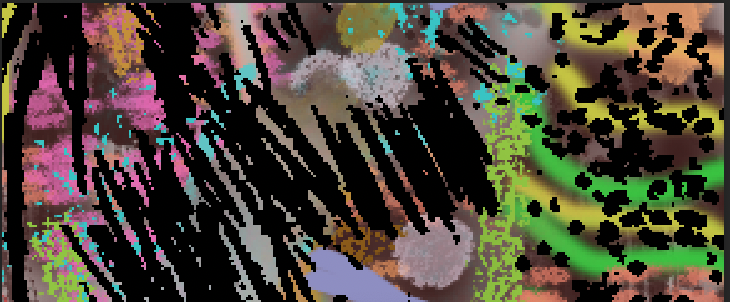
Kyle’s Real Oils Round Flex Wet: Applied to create lifelike, painterly textures on the horse’s anatomy.
-
Soft/Hard Round Pressure: Utilized for manual shading and defining muscle tension.
-
-
Non-Destructive Workflow: Mastering Multiply and Overlay blending modes to apply vibrant digital colors while preserving the integrity of the original analog line work.
-
Atmospheric Design: Crafting a dynamic background using Impressionist Blenders to create visual depth and a contemporary aesthetic.
fav triangle
5. Final Quality Audit (15 min)
-
“A comprehensive final review of layer integrity, naming conventions, and color accuracy to ensure the project meets professional industry standards.”
Art & Digital Execution by Ali Bakhit